
Tripindi Shraadh
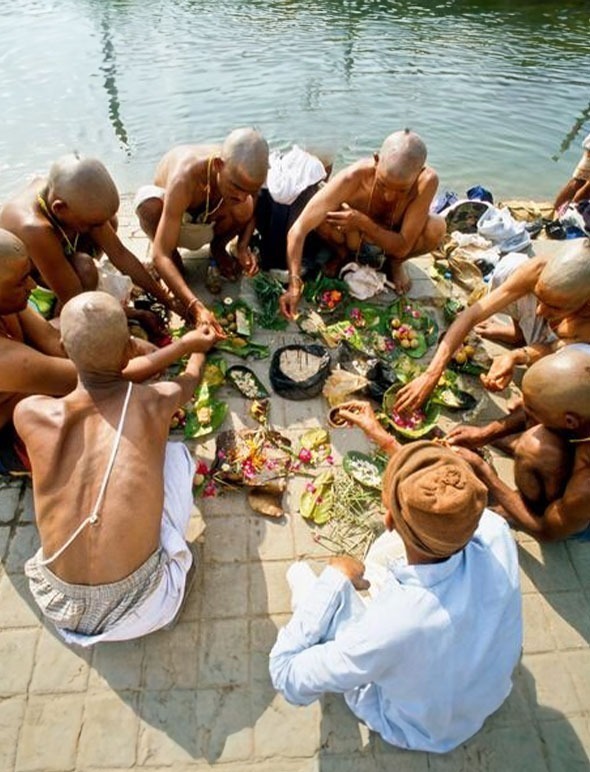
✦ Purpose and Significance: Tripindi Shraadh is a profound ritual performed to honor the forefathers of the past three generations. This ceremony is dedicated to aiding the journey of departed souls who remain unidentified, have suffered after death, or are causing distress to their living descendants. By performing this ritual, we seek to liberate these souls, guiding them from their earthly or otherworldly confinement towards Moksha (liberation).
✦ Scope of the Ritual: Unlike other Shraadhs, which typically focus on immediate ancestors such as the father, grandfather, and great-grandfather, Tripindi Shraadh extends its blessings to even earlier generations. This rite is crucial for ensuring that all ancestors, including those from distant generations, find peace and are freed from any lingering ties to the material world.
✦ Addressing Pitru Dosha: For families where an individual’s horoscope indicates Pitru Dosha (defects or troubles attributed to paternal ancestors), performing Tripindi Shraadh is especially recommended. This ritual can help alleviate such doshas, ensuring peace and harmony within the family, even if the parents are still alive.
Appropriate Time to Perform the Rite
✦ Ideal Days: The most auspicious times for performing Tripindi Shraadh are Ashtami (the eighth day of the lunar fortnight), Ekadashi (the eleventh day), Chaturdashi (the fourteenth day), Amavasya (the new-moon day), Pournima (the full-moon day), and throughout Pitrupaksha. These days are deemed spiritually favourable for honouring and aiding ancestors.
✦Addressing Pitru Dosha: If one’s horoscope reveals Pitru Dosha—spiritual issues from unsettled or troubled ancestors—Tripindi Shraadh serves as a potent remedy. It helps alleviate obstacles and misfortunes, restoring balance and harmony to the individual and their family.
✦ Note: This ritual should not be conducted during Guru Shukrasta (when the planets Jupiter and Venus are not visible), during the Ganesh festival, or during the Navaratri that occurs in the autumn season.
Our Research Trail
Garuda Purana: Highlights the necessity of Shraadh for unidentified ancestors to bring them peace and aid their spiritual journey (Chapter 7, Verses 10-12).
Shiv Purana: Details the benefits of Tripindi Shraadh in alleviating ancestral afflictions and helping ancestors achieve liberation from their earthly ties (Rudra Samhita, Chapter 23).
Vishnu Purana: Emphasises the significance of Shraadh for multiple generations to liberate souls causing distress to their living descendants (Part 3, Chapter 14).
Padma Purana: Identifies auspicious days for performing Tripindi Shraadh, including Ashtami and Ekadashi, as particularly effective for ancestral worship (Srsti Khanda, Chapter 9).
Yajur Veda: Discusses the importance of planetary positions and timing in enhancing the efficacy of rituals like Tripindi Shraadh (Taittiriya Samhita, 2.3.4).
Manu Smriti: Stresses the spiritual repercussions of neglecting Shraadh rituals and their role in alleviating doshas to restore familial harmony (Chapter 3, Verses 123-126).